
 Have an Emergency?
How many teeth do dogs have? The answer depends on a dog’s age and stage of development. Puppies have 28 temporary teeth, while adult dogs have 42 permanent teeth. These two sets of teeth serve different purposes as dogs grow, eat, and interact with their environment. Understanding how many teeth do dogs have at each life stage helps pet owners recognize normal changes, better understand chewing behaviors, and know what a healthy mouth should look like over time. For pet owners in Dallas, TX, Rutherford Veterinary Hospital frequently answers questions about canine dental development and long-term oral health.
Puppy vs. Adult Dog Teeth: What’s the Difference?
Many pet owners begin asking how many teeth do dogs have when their puppy starts chewing more aggressively or losing teeth. Puppies are born without visible teeth, but their baby teeth, also called deciduous teeth, begin to emerge between three and four weeks of age. These early teeth help puppies transition from nursing to eating solid food and exploring objects through chewing. By the time teething is complete, most puppies have a total of 28 baby teeth.
As dogs mature, their dental structure changes significantly. Puppy teeth begin to loosen and fall out as permanent teeth develop beneath the gumline. This transition usually occurs between four and seven months of age. Adult teeth are larger, stronger, and anchored more deeply in the jaw. Understanding how many teeth do dogs have as adults explains why chewing strength increases and why adult dogs rely on their mouths differently than puppies.
Why Puppy Teeth Fall Out
Puppy teeth fall out because adult teeth push upward through the gums, gradually replacing them. This natural process allows permanent teeth to settle into proper alignment within the jaw. Pet owners may notice loose teeth during play or find small teeth on the floor. Knowing how many teeth do dogs have at different ages helps owners recognize that this process is expected and temporary. If you have questions about teething or dental development, Rutherford Veterinary Hospital in Dallas welcomes calls at (214) 826-4166.
How Many Teeth Do Dogs Have?
So, how many teeth do dogs have once they reach adulthood? Adult dogs have 42 permanent teeth. This increase from 28 puppy teeth reflects the addition of molars and a more advanced chewing system. Each tooth type supports specific functions that help dogs process food efficiently and interact with toys or treats.
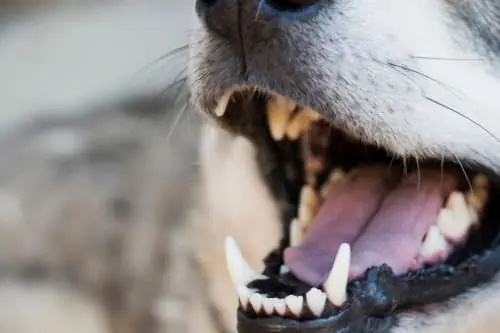
The adult canine mouth includes 12 incisors, 4 canines, 16 premolars, and 10 molars. Incisors sit at the front of the mouth and assist with nibbling and grooming. Canines are long and pointed, designed for gripping and tearing. Premolars and molars sit farther back and help crush and grind food. Puppies do not have molars, which explains why their total tooth count is lower. Understanding how many teeth do dogs have provides valuable context for how their mouths function day to day.
Understanding Tooth Types and Their Purpose
Each tooth plays a role in chewing and oral balance. Incisors help with precise movements, while canines provide strength and control. Premolars and molars work together to break down food before swallowing. When pet owners understand how many teeth do dogs have and how those teeth work together, they gain a clearer picture of canine oral anatomy.
What to Know About Dog Dental Health
Learning how many teeth do dogs have often leads to broader conversations about dental health. Teeth rely on healthy gums, jawbones, and surrounding tissues for support. Changes in any of these areas can affect comfort, eating habits, and overall quality of life. Dental concerns can develop gradually, which makes routine observation important for dogs of all ages.
Dental health also changes as dogs age. Adult dogs may experience wear over time, while senior dogs may show more noticeable changes in tooth appearance or gum condition. Understanding how many teeth do dogs have and what healthy teeth typically look like helps owners notice differences sooner. Rutherford Veterinary Hospital works with pet owners to monitor dental health throughout every life stage.
Signs of Dental Problems in Dogs
Common signs of dental concerns include chewing more slowly, dropping food, or avoiding harder textures. Some dogs may paw at their mouth or seem sensitive around the face. Visible tartar buildup on teeth or redness along the gums may also appear over time.
Bad breath can also indicate oral changes, especially when combined with other signs. Because dogs often hide discomfort, dental issues may progress quietly. Understanding how many teeth do dogs have helps owners recognize when a tooth is missing, damaged, or looks different than expected. If you notice changes in your dog’s mouth or behavior, Rutherford Veterinary Hospital encourages you to call (214) 826-4166 for professional insight.
Tips for Caring for Your Dog’s Teeth at Home
Pet owners often want to know how to support oral health between veterinary visits. Regularly checking your dog’s mouth helps you stay familiar with normal tooth color, spacing, and gum appearance. This awareness makes it easier to identify changes early.
Consistency plays a role in maintaining oral comfort. Calm handling and positive reinforcement can help dogs feel more at ease during routine mouth checks. Understanding the changes your dog’s mouth goes through reinforces the importance of lifelong dental awareness, from puppyhood through senior years.
A Smile That Grows With Your Dog
Knowing how many teeth do dogs have provides insight into growth, aging, and daily comfort. Puppies begin life with 28 baby teeth, while adult dogs rely on 42 permanent teeth for chewing, eating, and interaction. Staying informed allows pet owners to recognize normal changes and respond appropriately when something looks different.
For families in Dallas, TX, Rutherford Veterinary Hospital serves as a trusted resource for canine dental health at every stage of life. If you have questions or want to schedule an appointment, call (214) 826-4166 to connect with our veterinary team.